Motorcycle VIN Check Before You Buy
By Andy, Founder, TitlePull
Last updated September 1, 2026 · Reviewed by Andy · September 2026
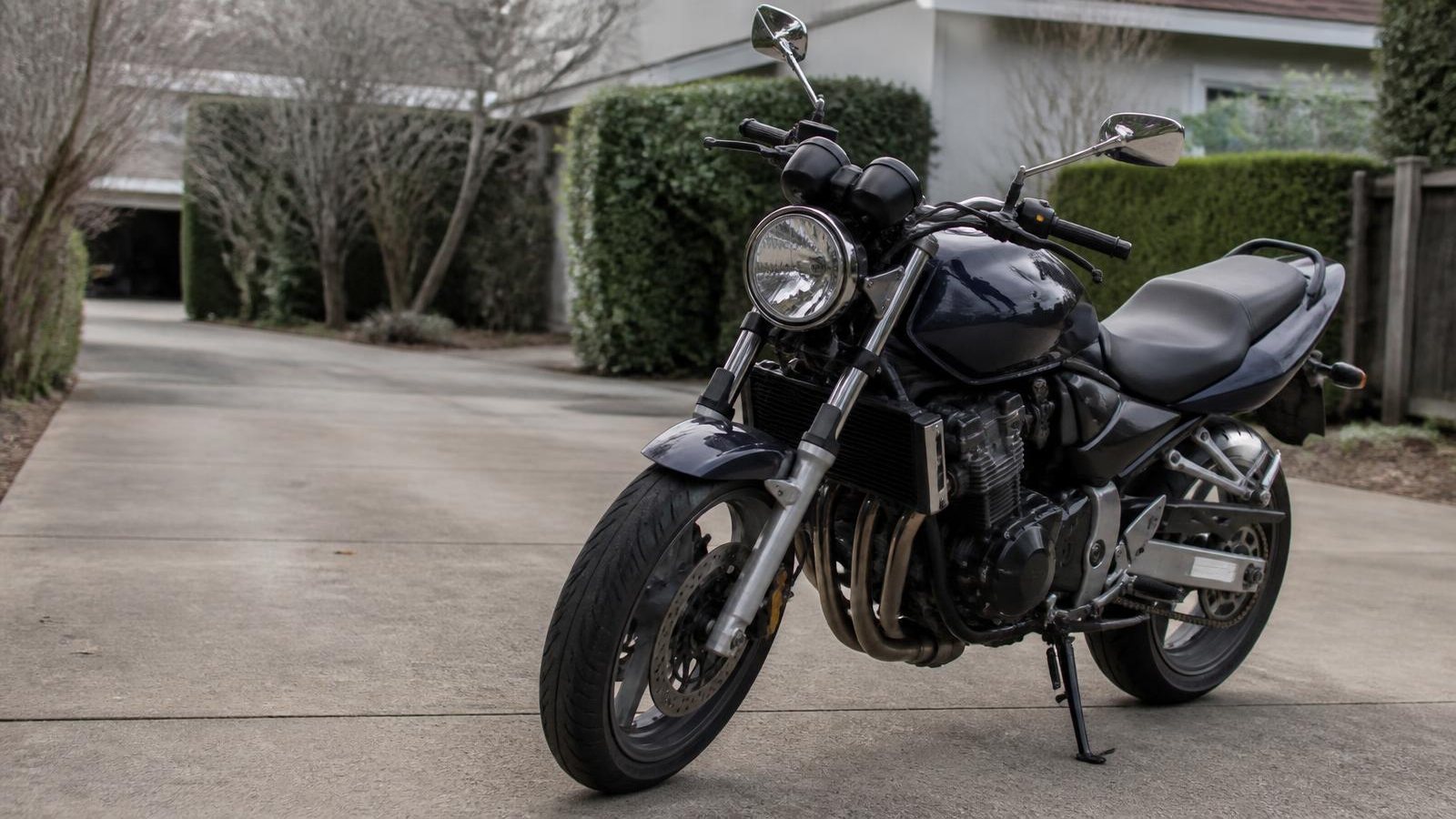
How to do a motorcycle VIN check
Start with the VIN, before the test ride and before the price conversation. A motorcycle VIN is 17 characters, the same federal standard a car uses, and it answers the three questions that matter most: what the bike actually is, whether its title carries a brand, and whether it is sitting on an unfixed safety recall.
Two of those three checks are free. The third costs about the same as lunch. All three take less time than the ride to go see the bike.
Motorcycles get less scrutiny than cars in the used market, and buyers tend to inspect them with their eyes and their ears rather than with records. That is understandable. It is also where the money gets lost.
Why a used bike needs more checking than a car, not less
Three structural things make used motorcycles a higher-risk purchase on paper.
There is no window sticker. The Federal Trade Commission's Used Car Rule, the regulation that puts a Buyers Guide on the window of every used car on a dealer lot, defines a vehicle as a motorized vehicle other than a motorcycle. So the one federal disclosure form most buyers rely on does not exist for bikes, at any dealer, in any state. Our used car buying guide covers what that form does and does not do for cars.
Most sales are private. Bikes change hands between individuals far more often than cars do, which means no dealer license on the line, no state dealer board to complain to, and frequently a cash handshake in a parking lot. Our post on how to buy a used car with confidence applies directly.
Bikes total easily. A motorcycle is cheap relative to its parts and it falls over. A tip-over that would be a scuffed bumper on a car can bend forks, crack bodywork and produce a repair estimate that exceeds the machine's value. Salvage brands show up on motorcycles from incidents that sound minor when a seller describes them.
Put those together and you get a market where the paperwork matters more and gets checked less.
Where is the VIN on a motorcycle?
Look in at least two places, then compare them against each other and against the title.
Steering neck. The primary VIN is usually stamped into the frame just below the handlebars. Turn the bars for a clean view and bring a flashlight, because road grime hides it well.
Engine case. Many bikes carry a separate engine serial number, and on some models a partial VIN.
Certification label. Look for a manufacturer's label on the frame showing build date and specifications.
Then run the check that costs nothing: do the stamped numbers match the title, and do they match each other? Restamped, ground, filled or oddly fresh-looking digits are the single biggest stop sign on a motorcycle. Frame and engine swaps happen legitimately after crashes and during rebuilds, but they also happen when a stolen bike needs a new identity. Our post on how to check if a car is stolen describes the same checks, and they transfer directly to two wheels.
One caveat for older bikes. The 17-character VIN standard applies to motorcycles built for model year 1981 and later, under the federal VIN requirements that cover motorcycles alongside cars and trucks. A vintage machine may carry a shorter frame and engine number instead, which no modern decoder will read. That is normal for a pre-1981 bike, not a red flag, but it does mean you are relying on the title and physical inspection rather than on records.
Can you decode a motorcycle VIN for free?
Yes, and it is the first thing to do because it catches listing errors before you drive across town.
Run the VIN through our free VIN decoder and confirm the model year, make, model, engine and build details match the listing. Sellers get years wrong constantly on bikes. Sometimes innocently, because a machine built late in one year is often sold as the next model year. Sometimes not innocently, because a newer model year commands a higher price.
If you are shopping a specific brand, we have dedicated pages for Harley-Davidson, Yamaha, Kawasaki and Suzuki, plus a motorcycles overview. Our explainer on how to look up a VIN with a free decoder breaks down what each character position means, including the check digit that sits in position nine of every compliant VIN and exists specifically to catch a mistyped or fabricated number.
How to check a motorcycle for open recalls, free
The federal recall lookup covers motorcycles, and it takes seconds.
The U.S. Department of Transportation built its free VIN search so consumers could check cars, light trucks and motorcycles for open safety recalls. NHTSA's list of covered manufacturers names motorcycle brands directly, including Harley-Davidson, Honda Motorcycles, Yamaha Motorcycles, Kawasaki, Suzuki Motorcycles, BMW Motorcycles, Ducati Motorcycles, Triumph, KTM Motorcycles, BRP Can-Am and Polaris. A clean result returns the message "0 unrepaired recalls associated with this VIN," and an eligible recall repair is performed free of charge at a franchise dealer.
Run the VIN through our free recall check before you go see the bike.
Know what the lookup will not tell you. NHTSA is explicit about the limits, and two of them matter a great deal on a used motorcycle:
Recalls more than 15 years old are not shown, unless a manufacturer chooses to offer longer coverage. On a bike from 2008, a clean result is not the same as a clean history.
Recalls from small manufacturers are excluded, including some ultra-luxury brands and specialty applications. A boutique brand may return nothing rather than nothing-wrong.
Recalls already repaired do not appear, some very recently announced recalls have not had every VIN assigned yet, and international vehicles are not covered.
Also worth reading: an open recall on a ten-year-old bike usually means several owners in a row never bothered to bring it in. That is real information about the maintenance culture the machine has lived in. Our post on how to check a used car for recalls covers the process in more depth.
What only the title record will tell you
This is the step that catches what an inspection cannot.
A bike can be immaculate in a parking lot and still carry a salvage brand from a crash three states ago, a theft record, or an odometer reading that does not match what the clocks show now. None of that is visible. All of it is recorded.
A $9.99 TitlePull report checks the VIN against title brand records across states, total loss and salvage records, theft records and odometer records, the same federal records lenders, auctions and dealers rely on, and returns a plain-English summary. One flat price, no account to create, no subscription. Our title check guide shows how to read the result, and car title types explained covers what each brand means. All of it applies to motorcycles.
What to do if you find a brand: do not automatically walk away. Ask what caused it. A bike branded after a parking-lot tip-over and repaired properly by a shop that kept receipts is a different machine from one that went down the road at speed. The brand tells you the conversation is necessary. The receipts tell you how it ends.
Inspect the bike with the record already in hand
Now go look at it, knowing what to look for.
Frame and forks. Sight down the forks from the front to check alignment. Look for paint cracking or wrinkling at frame welds, which is where impact damage shows itself.
Matching wear. Do the tires, chain, sprockets, brake pads and grips tell the same story as the odometer? A bike showing 8,000 miles on a chain that has been replaced twice is worth a question.
Crash tells. Scrapes on bar ends, levers, mirror stalks, pegs and exhaust cans. Replaced levers on an otherwise original bike mean it went down at least once.
Fluids and a cold start. Ask the seller not to warm it up before you arrive. A cold start tells you far more than a warm one.
Keys and paperwork. Two keys and a folder of receipts is a good sign. Neither one is automatically a bad sign, but it should change the price.
If the machine passes all of that and you are spending real money, a pre-purchase inspection at an independent shop remains the best value in this process. Our post on 5 things to check before buying a used car covers what that inspection should include.
Why fall is a good time to be the buyer
Riding season winds down through the fall across most of the country, and that changes the negotiating position.
Sellers who did not move a bike over the summer are looking at storage, insurance and a battery tender for the next several months, and it shows up in both asking prices and flexibility. Buyers willing to shop in September and October, and to store a bike through winter, generally pay less than buyers shopping in April.
The seasonal discount is real. It is also exactly the condition under which people skip the checks, because the deal feels good and someone else is supposedly coming to look at it tomorrow. Cheap and unverified is how you end up owning somebody else's crash.
Decode it free. Check recalls free. Pull the record for ten dollars. Then negotiate.
Sources
49 CFR Part 565, Vehicle Identification Number (VIN) Requirements, Electronic Code of Federal Regulations, National Highway Traffic Safety Administration. Seventeen-character VIN format, check digit in position nine, and coverage of motorcycles as a vehicle type.
Check for Recalls, National Highway Traffic Safety Administration. VIN lookup results and stated limits, including the 15-year cutoff, exclusion of small manufacturers, and the list of covered manufacturers naming motorcycle brands.
NHTSA to Provide Free VIN Searches to Help Consumers Check Cars, Light Trucks and Motorcycles for Open Safety Recalls, U.S. Department of Transportation.
16 CFR Part 455, Used Motor Vehicle Trade Regulation Rule, Federal Trade Commission. Section 455.1(d)(1) defines "vehicle" as a motorized vehicle other than a motorcycle, placing motorcycles outside the Buyers Guide requirement.
Flood damaged vehicles and other title brands, Wisconsin Department of Transportation, Division of Motor Vehicles. Title brands are permanent and carry across jurisdictions.
Buying a Used Car From a Dealer, Federal Trade Commission Consumer Advice.
Frequently asked questions
Where is the VIN on a motorcycle?
The primary VIN is usually stamped into the steering neck, the section of frame just below the handlebars, and you may need to turn the bars and use a flashlight to read it through road grime. Many bikes also carry a separate serial number stamped on the engine case, and most have a manufacturer's certification label on the frame. Note that this is different from a car, where federal guidance points buyers to the lower left of the windshield. On a motorcycle you have to go looking. Check every location you can find and confirm they agree with each other and with the title. Frames and engines get replaced on motorcycles far more often than on cars, sometimes for entirely innocent reasons after a crash or a rebuild, but a mismatch is also exactly what you would see on a bike assembled from parts or on a stolen machine wearing another vehicle's identity. If the numbers do not line up, stop and ask the seller to explain it in writing before any money changes hands.
How do I check a motorcycle VIN for free?
Two of the three checks worth running cost nothing. Decoding is free: enter the 17-character VIN into a decoder and you get back the model year, make, model, engine and build details recorded by the manufacturer, which is enough to confirm the bike matches the listing. The federal safety recall lookup is also free and covers motorcycles specifically, listing brands such as Harley-Davidson, Honda Motorcycles, Yamaha Motorcycles, Kawasaki, Suzuki Motorcycles, BMW Motorcycles, Ducati, Triumph and KTM by name. What is not free anywhere is the title record. Brand history across states, total loss and salvage records, theft records and odometer readings come from state title data, and every provider charges for it. TitlePull's is $9.99 flat with no account and no subscription. Be cautious with any site promising a full history report for free, because the free tier is almost always a decode with the actual records locked behind a payment or a subscription sign-up.
Do motorcycles get salvage titles?
Yes, and they get them more easily than cars do. A salvage brand is applied when the estimated cost to repair passes a threshold relative to the vehicle's value, and motorcycles have two features that push them across that line quickly: they are relatively inexpensive, and they fall over. A single low-speed drop can bend forks, crack a fairing, scuff a tank and damage a frame, and on a bike worth a few thousand dollars that estimate reaches total-loss territory fast. The practical consequence is that a salvage brand on a motorcycle tells you less about severity than the same brand on a car would. It could mean a serious crash with a bent frame, or a bike that tipped over in a parking lot while parked. That is why you want the record before the conversation rather than after it. Knowing the brand exists is what lets you ask the specific questions that determine whether the discount is worth taking.
Disclosures
TitlePull is not a consumer reporting agency under the Fair Credit Reporting Act. Reports are for informational purposes and may not be used for employment, tenant, credit, or insurance underwriting decisions.
Get the full vehicle history for $9.99.
Check a VIN