Buyer Guide
What Is a Salvage Check?
A salvage check looks up a vehicle's official title record, across federal and state databases, to see whether it was ever declared salvage, junk, flood-damaged, or rebuilt.
What a salvage check actually is
A salvage check is a focused lookup of a vehicle's title record for one specific category of information: whether the car has ever been declared a total loss, written off, scrapped, or rebuilt after major damage. It uses the 17-character vehicle identification number (VIN) and queries the federal title record along with the underlying state title databases.
Title brands are stamped onto a car's record by state titling agencies and insurance carriers. Once a brand is on the federal record, it follows the VIN for the life of the vehicle. A seller can repaint a panel, swap a bumper, and detail the interior. They cannot remove a brand. That permanence is what makes a salvage check useful: it surfaces facts that no amount of cosmetic work can hide.
What a salvage check reveals
Every TitlePull report checks the title record for dozens of brand categories. A salvage check focuses on the ones tied to total-loss events and major damage:
An insurance company declared the car a total loss, typically because repair cost exceeded a set percentage of the car's value. Not road-legal until rebuilt and re-inspected.
The car was sold for parts or scrap and was not intended to return to the road. A junk-branded VIN should never reappear as a driveable vehicle.
A salvage car that was repaired and passed a state inspection. Legal to drive, but the history follows the VIN forever and affects value, insurance, and financing.
The car was submerged or significantly water-damaged. Corrosion and electrical problems often surface months or years later.
Branded after a major hail or fire loss event. Cosmetic-looking hail damage can still mean structural and electrical issues underneath.
The manufacturer bought the car back because of defects it could not fix. The original defect category often follows the VIN.
The car was stolen and later recovered, sometimes with hidden damage from the theft or recovery.
Recorded mileage that decreases over time, the classic sign of mileage tampering and a federal offense.
Alongside the brands themselves, a salvage check shows the title history, every state the car has been titled in and when. A car that has hopped between three states in a single year often has a record someone is trying to leave behind.
How salvage, junk, flood, and rebuilt brands work
Each state defines its own brand thresholds, but the general pattern is consistent across the country.
- Salvage is issued when an insurance carrier declares the car a total loss, typically because the cost of repair exceeds a defined percentage of the car's pre-loss value (often 70–80%, depending on the state). The title is surrendered to the state, which reissues it with a salvage brand. A salvage-titled car cannot legally be driven on public roads.
- Junk or dismantled is issued when the car is sold for parts or scrap. A junk brand is meant to be terminal, the VIN should not return to the road. Junk-branded vehicles that reappear as driveable cars are a red flag for fraud.
- Flood is issued when a car has been substantially water-damaged. Flood damage is uniquely insidious because the visible effects fade quickly, sellers can clean interiors and dry out carpets, while corrosion of wiring harnesses, control modules, and structural components keeps progressing for years.
- Rebuilt (sometimes called reconstructed or prior salvage) is issued after a salvage-titled car has been repaired and passed a state-level rebuilt inspection. A rebuilt car is legal to drive, but the salvage history remains on the federal record permanently, and the rebuilt brand stays on every future title.
Other categories, lemon-law buyback, hail, fire, theft recovery, odometer tampering, appear less often but matter just as much when they do. A complete salvage check looks for all of them at once.
The title-washing risk across states
Title washing is the practice of moving a branded car across state lines until it ends up with a state-issued paper title that no longer shows the original brand. It happens because state systems do not all share data the same way, and some states historically applied brands less strictly than others.
The result: a car declared salvage in one state can resurface a few states away with a clean-looking paper title in hand. The seller is technically presenting a real title, but the federal record still shows the original salvage event. A salvage check pulls from that federal record, which is why it catches washed titles even when the seller's paperwork looks clean.
If a car has been titled in three or more states in a short window, treat it as a reason to verify rather than dismiss. Most legitimate cars stay in one or two states for years at a time.
When you need one
- Any used purchase, even from a dealer. Dealer disclosures vary by state and don't always include the federal record.
- Any private sale, no dealer protections, no return policy, verification is on you.
- Any auction listing, online and physical auctions move cars across state lines quickly, which is exactly how washed titles travel.
- A title issued recently in a different state than where the car has spent most of its life.
- A price that's noticeably below market, that discount usually has a reason in the record.
- Before you put down a deposit or drive hours to inspect a car.
How to run a salvage check (3 steps)
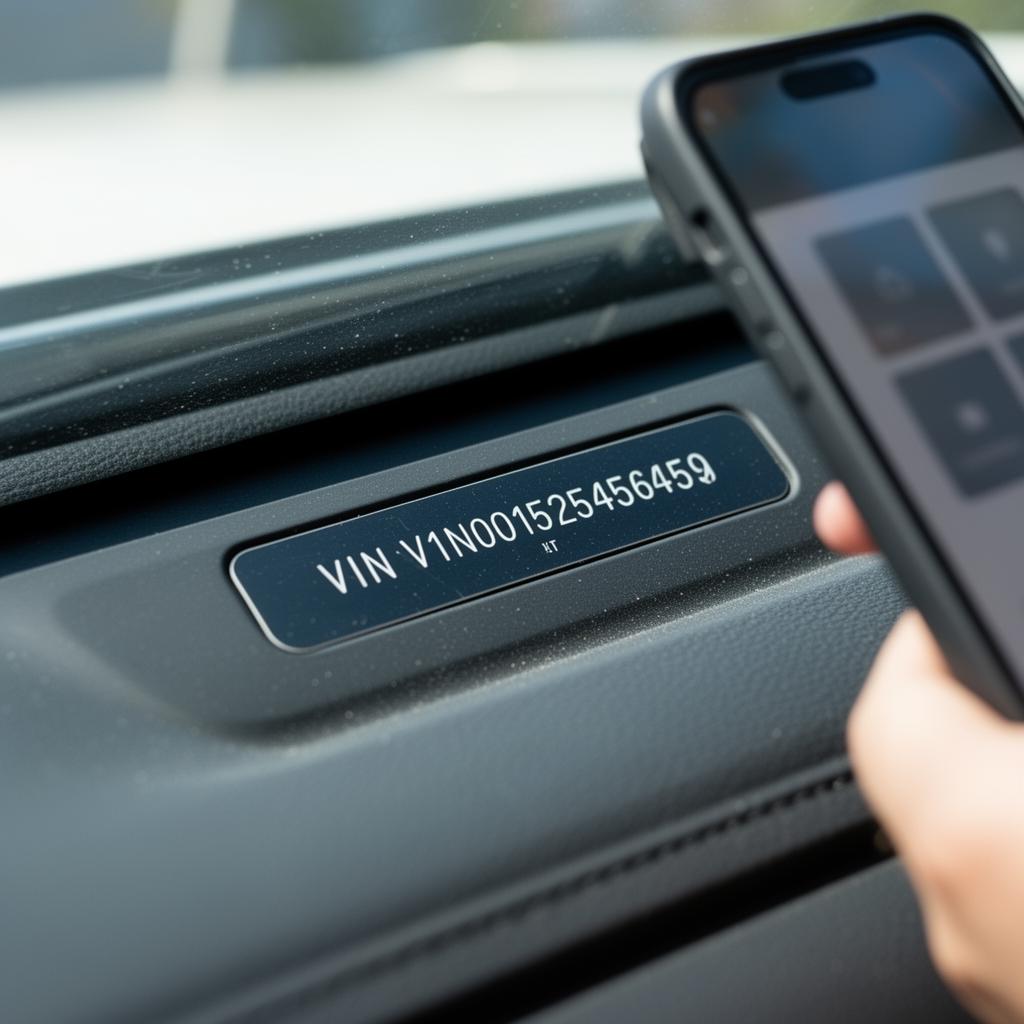
- Get the VIN, 17 characters, found on the dashboard at the base of the windshield, the driver's-door jamb, and the title itself. Confirm all three match before you pay for anything.
- Enter it at TitlePull, no account, no subscription, no stored card. One flat $9.99.
- Read your report in minutes, delivered by email with a plain-English summary that flags every brand on the record and explains exactly what to ask the seller.
Salvage check vs. title check vs. vehicle history report
These terms overlap, and the overlap confuses buyers:
- A salvage check is the total-loss-and-damage portion of the record, salvage, junk, flood, rebuilt, fire, hail.
- A title check covers that plus the rest of the title history, including state-by-state ownership and odometer brands.
- A vehicle history report is the full document, title and brands, odometer readings, theft records, open recalls, and market valuation.
At TitlePull, all three are the same product: one $9.99 report that includes the complete federal title history, every brand check above, odometer records, theft records, open safety recalls, market valuation, and a plain-English summary.
Read the full comparison: VIN Check vs. Title Check vs. Vehicle History Report
Learn more
- What Is a Title Check?, the broader title-history guide
- Title Brands Explained, every brand category, defined
- How TitlePull Works, data sources, guarantees, and refund policy
Frequently asked questions
Need a full vehicle history report?
TitlePull pulls full federal title history, comprehensive brand checks, salvage and theft records, and an AI summary, all for one flat fee.
Check a VIN: $9.99