Ford Rollaway Recall: F-150, Explorer & More
By Andy, Founder, TitlePull
Last updated July 16, 2026 · Reviewed by Andy · July 2026
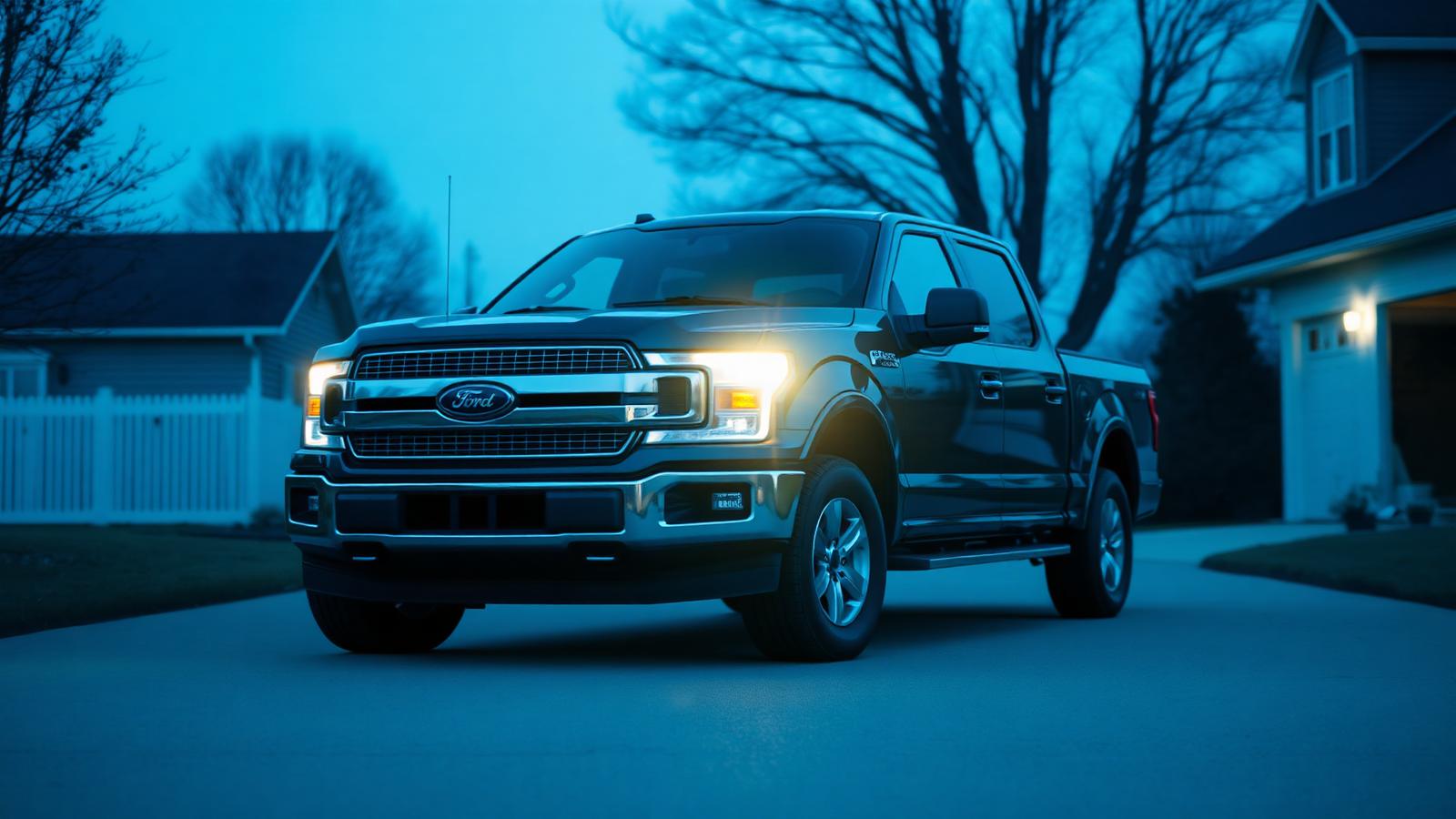
Ford rollaway recall: what to do before you buy
If you are shopping for a used Ford F-150, Explorer, Expedition, or a Lincoln Aviator or Navigator from these years, check the exact VIN for open recalls before you buy, because Ford is recalling 741,195 of them over a rollaway risk. In 2026 Ford issued a safety recall covering vehicles built with its 10-speed automatic transmission, where a fault in the park system can let the vehicle move after it has been shifted into Park if the parking brake is not set. The repair is free, but the full fix rolls out in phases in 2027, which means many of these trucks and SUVs will be on the used market with the recall still open for months. Here is what the recall covers, which models are affected, and how to check any vehicle in about a minute.
What the recall covers
The recall covers 741,195 Ford and Lincoln trucks and SUVs over a transmission park-system fault that can result in a rollaway. In plain terms, the part of the transmission that is supposed to hold the vehicle in Park can be damaged over time, and if it is, the vehicle can move after you shift into Park unless the parking brake is also set. Ford has said the repair will be done at no charge.
This is actually the second large Ford rollaway recall to make news in 2026. The other one, on the Mustang Mach-E, involves a completely different part and a much smaller group of vehicles, but the takeaway for a buyer is the same: the specific car has to be checked by VIN, and the parking brake is the interim precaution. Two unrelated recalls sharing the word rollaway is a coincidence of wording, not a sign that every Ford is affected.
Which Ford and Lincoln models are affected
The recall covers five model lines, all built with Ford's 10-speed automatic transmission, across the 2018 to 2021 model years. Not every vehicle in these ranges is included, which is why a VIN check is the only way to confirm a specific truck or SUV. The affected models and their approximate counts are:
- 2020 to 2021 Ford Explorer, about 313,147 vehicles. This is the largest single group in the recall.
- 2018 to 2021 Ford Expedition, about 246,202 vehicles.
- 2021 Ford F-150, about 82,570 vehicles. Only the 2021 model year is included here, not the earlier trucks.
- 2018 to 2021 Lincoln Navigator, about 59,079 vehicles.
- 2020 to 2021 Lincoln Aviator, about 40,197 vehicles.
Those figures add up to the full 741,195. If you are looking at one of these vehicles, note the exact year, because the F-150 in particular is only affected in the 2021 model year while the Expedition and Navigator reach back to 2018.
What goes wrong, in plain English
The problem is in the transmission's park system, the mechanism that physically holds the vehicle still when you shift into Park. A part inside the transmission can restrict fluid flow in a way that lets the parking pawl, the small piece that locks the transmission, briefly engage while the vehicle is still moving. Over time that can wear or damage the park components, and if they are damaged, the pawl may not hold the next time you park. When that happens and the parking brake is not set, the vehicle can roll.
A few practical details matter here. Ford estimates the fault is actually present in only about 1 percent of the recalled vehicles, so most of these trucks and SUVs will never show the problem, but there is no way to tell from the outside which ones are affected. A wrench warning light on the instrument panel may appear if the system detects trouble. And the single most effective thing an owner can do while waiting for the repair is simple: set the electronic parking brake every time, because the rollaway risk only appears when the park mechanism cannot hold and the parking brake is not applied.
How to tell if a specific vehicle is affected
Check the vehicle's 17-character VIN, because the model and year alone will not tell you whether a specific truck or SUV is included in the recall. Enter the VIN at NHTSA.gov/recalls for the official status, or ask a Ford or Lincoln dealer to look it up through their system. The VIN sits on the lower driver's side of the windshield, inside the driver's door jamb, and on the registration and insurance cards.
Because this is a large, recent campaign, a specific VIN may take time to populate in the public database, so for a vehicle you are seriously considering it is worth confirming with a dealer as well. If you want to double-check the year, trim, engine, and build details at the same time, run the number through the free Ford VIN decoder first, then move on to the recall lookup.
If you already own one of these vehicles
If you already own one, set the parking brake every single time you park, and watch for a wrench light on the dash. That one habit addresses the rollaway risk while you wait, and Ford has not told owners to stop driving. If the wrench light appears or the vehicle behaves oddly when shifting into Park, contact your dealer or Ford's customer line and describe what you saw.
There is not much to schedule yet, because the full remedy rolls out in phases in 2027. Ford began mailing interim letters in early August 2026 to explain the recall, followed by a second notice when the repair for your vehicle is ready. The fix itself is a software update to the powertrain control module, an inspection of the transmission park components, and replacement of any damaged parts, all free of charge. Keep any related service records in the meantime, and if you sell the vehicle privately before the repair is done, tell the buyer the recall is open and point them to the VIN lookup.
These are some of Ford's most popular vehicles
The reason a single recall reaches nearly three quarters of a million vehicles is that these are some of the best-selling trucks and SUVs Ford makes, not that they are bad vehicles. The F-150, Explorer, and Expedition are mainstream, high-volume family and work vehicles, and a recall of this size mostly reflects how many were sold. A truck or SUV on this list is not a vehicle to avoid. It is a vehicle to check.
That distinction matters when you are shopping. A well-kept 2020 Explorer or 2021 F-150 with the recall handled, or with a clear plan to handle it, can be exactly the used vehicle you want. The recall is a step in your due diligence, alongside the title check and the inspection, rather than a verdict on the vehicle itself.
Why an open recall matters more on a used car
A used buyer is the person most likely to miss a recall, because the notices are mailed to the registered owner, not to whoever buys the vehicle next. If one of these trucks changes hands this year, the recall letter may land in the previous owner's mailbox and the new owner never sees it. That is true of recalls in general, not just this one.
The scale is easy to underestimate. NHTSA counted more than 29 million vehicles recalled in the United States in 2025 across 997 safety recalls, and plenty of those are on the used market right now with the repair still outstanding. An open recall is not a reason to panic. The repair is free, and many buyers happily take on a vehicle with a known, fixable recall once they have priced it in. It is simply a fact you want on the table before you agree on a number, the same way you would want to know about a title brand or a salvage record.
How to check any used car for open recalls
Enter the VIN into a free recall lookup, and you will know in under a minute whether that exact vehicle has an unrepaired safety recall. This works for any make and model, not only these Fords, and it is one of the fastest checks on the whole used-car list.
- Use the free recall check tool or NHTSA.gov/recalls and enter the 17-character VIN.
- Read the result for that specific vehicle. A clear vehicle shows no open recalls; anything open names the defect and the remedy.
- If a recall is open, ask the seller for any repair paperwork, and remember the fix is free at a franchised dealer for that brand whether you bought the vehicle new or used.
- Schedule the repair promptly once you own the vehicle, or once parts and instructions are available in the case of a recall like this one.
For the rest of the walkaround, our checklist of what to check before buying a used car covers the title, the mileage, and the inspection that a recall check sits alongside.
How to handle an open recall when you negotiate
Treat an open recall as a known variable, not a dealbreaker, and let it shape your offer rather than end the conversation. Because this repair is free, the recall itself does not lower a vehicle's value the way collision damage or a branded title would. What it affects is timing and convenience: with the full remedy phasing in through 2027, you may be driving the truck for a while before the repair is available, and you will need a dealer visit to close it out.
Use that plainly. Confirm the recall status by VIN in front of the seller, ask whether any related transmission or park-system work has already been done, and factor the wait and the dealer trip into a fair number. If two similar vehicles are priced the same and one already has its recalls closed out, the finished one is worth a little more to you.
What a vehicle history report adds
A vehicle history report puts the recall picture next to the rest of the vehicle's record, so you are not checking three things in three places. A TitlePull report is $9.99 flat, with no account and no subscription, and it summarizes a vehicle's official records in plain English: reported title brands, total-loss and salvage records, odometer history, and open recalls. For a single VIN, the manufacturer and NHTSA are still the last word on recall status, and the report is the fastest way to see everything else about the vehicle at the same time.
If you are weighing a used F-150, Explorer, Expedition, or Lincoln, or any used vehicle this year, the order is simple: decode the VIN, check the open recalls, then pull the full record before you talk price. See the pricing page or look at a sample report first.
Sources
- Ford recalls more than 741,000 vehicles because faulty park system can lead to rollaways, CBS News
- Ford Recalls More Than 741,000 Trucks, SUVs Over Rollaway Risk (per-model counts), Cars.com
- NHTSA recall lookup by VIN
- NHTSA 2025 Annual Recalls Report (more than 29 million vehicles across 997 safety recalls in 2025)
Frequently asked questions
Which Ford and Lincoln models are part of the rollaway recall?
The recall covers five model lines built with Ford's 10-speed automatic transmission: the 2021 Ford F-150 (82,570 vehicles), the 2020 to 2021 Ford Explorer (313,147), the 2020 to 2021 Lincoln Aviator (40,197), the 2018 to 2021 Ford Expedition (246,202), and the 2018 to 2021 Lincoln Navigator (59,079). That is 741,195 vehicles in total, with the Explorer as the largest group. Because not every vehicle in those ranges is affected, the model and year alone do not confirm a specific car; check the 17-character VIN at NHTSA.gov/recalls or with a Ford or Lincoln dealer.
Is it safe to drive or buy one of these vehicles?
Ford has not issued a do-not-drive order, and it estimates the fault is actually present in about 1 percent of the recalled vehicles. The important precaution is to set the parking brake every time you park, because the rollaway risk appears when the park mechanism cannot hold the vehicle and the parking brake is not applied. For a used purchase, an open recall is a reason to check the VIN and plan for the free repair, not an automatic dealbreaker. Because the full remedy rolls out in phases in 2027, a vehicle you buy now may carry the open recall for a while, so factor that into your decision.
Does this recall show up on a vehicle history report?
Yes. A vehicle history report lists open safety recalls alongside the car's title brands and odometer history, which is handy when you are comparing several trucks or SUVs at once. For a single vehicle, the manufacturer and NHTSA are the definitive source for recall status by VIN, so it is worth confirming there too. The value of the report is that it puts the recall picture next to the rest of the car's record, so you are not checking title, mileage, and recalls in three separate places.
Disclosures
TitlePull is not a consumer reporting agency under the Fair Credit Reporting Act. Reports are for informational purposes and may not be used for employment, tenant, credit, or insurance underwriting decisions.
Get the full vehicle history for $9.99.
Check a VIN