How to Check a Used Car for Open Recalls
By Andy, Founder, TitlePull
Last updated August 17, 2026 · Reviewed by Andy · August 2026
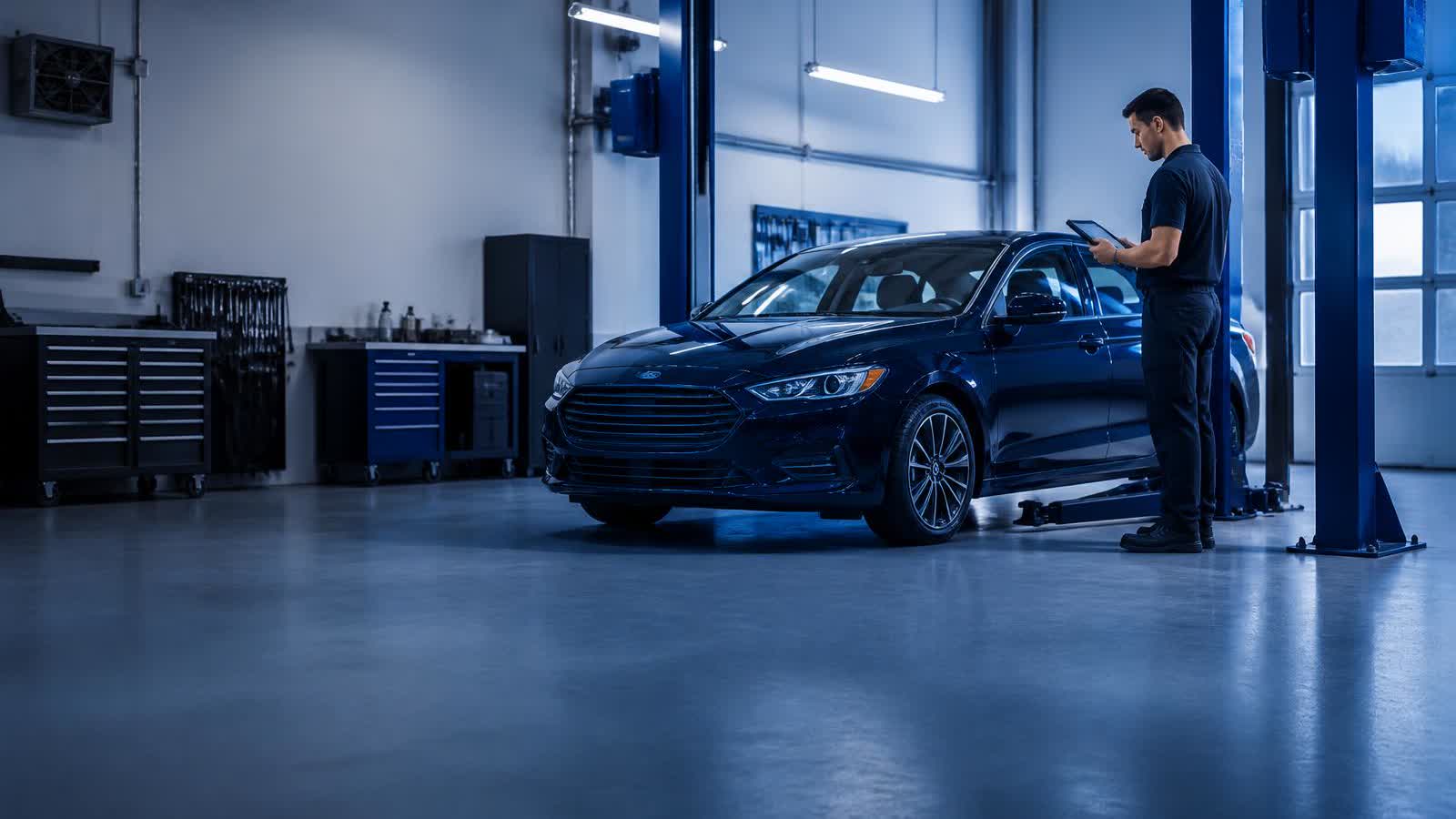
The free repair the last owner never made
An open recall is a safety defect the manufacturer has agreed to fix for free but that has not been repaired on a particular car yet, and used vehicles are full of them. When you buy a car with an open recall, you inherit that unfinished repair, sometimes for something minor and sometimes for a serious safety risk. The fix is free, but only if you know it exists.
The scale is easy to underestimate. NHTSA reported more than 29 million vehicles recalled in the United States in 2025, across nearly a thousand safety recalls covering vehicles and equipment such as tires and car seats. Plenty of those cars are now changing hands on the used market with the repair still outstanding, which is exactly why a 60-second recall check belongs on every used-car buyer's list.
What an open recall really means
An open recall means a manufacturer or NHTSA determined that a vehicle, tire, car seat, or piece of equipment creates an unreasonable safety risk or fails to meet a federal safety standard, and the required repair has not been completed on that specific vehicle. A recall is issued, the automaker must remedy it, and until the work is done on your car, the recall stays "open" against its VIN.
The reason so many go unfixed on used cars comes down to how owners are notified. Manufacturers notify registered owners by first-class mail, usually within 60 days of telling NHTSA about a recall. On a used car that has changed hands once or twice, that letter went to someone else, possibly at an address they have since left. The buyer with the most reason to act, the next owner, is the one least likely to ever receive the notice. That is why checking the VIN yourself matters more than trusting that "someone would have handled it."
How to check a used car for open recalls
You check a used car for open recalls by entering its 17-character VIN into NHTSA's free recall lookup, which tells you whether that exact vehicle has a recall that has not been repaired. It takes under a minute and costs nothing. Here is the routine.
Find the VIN
Locate the car's 17-character vehicle identification number. The easiest spots are the lower left corner of the windshield, the sticker inside the driver's door jamb, and the vehicle's registration and insurance cards. Confirm the VIN on the car matches the one on the paperwork while you are there; a mismatch is its own red flag. If you want to translate what the VIN says about the car, run it through our free VIN decoder first.
Run the VIN through a recall lookup
Enter that VIN into a recall lookup to see results for the individual car. NHTSA's free tool at NHTSA.gov/recalls reports whether the specific vehicle has an unrepaired recall, and if it is clear it returns the message "0 unrepaired recalls associated with this VIN." Our own free recall check runs the same kind of VIN-level lookup so you can see open safety recalls for the car in front of you in seconds, and you can browse common campaigns by brand, like our Ford recall and Toyota recall pages.
Read what the results do and do not cover
Know the limits so a clean result does not lull you. A VIN recall search will not show a recall that has already been repaired, and it may not yet show a very recently announced recall, because automakers add affected VINs continuously, so it is worth checking again close to purchase. The lookup also generally does not display recalls more than about 15 years old, recalls from some very small or specialty manufacturers, or non-safety "customer satisfaction" campaigns. For an older or unusual vehicle, treat a clean screen as encouraging rather than final.
Cross-check with the full vehicle history
Recalls are one safety layer; the car's title and mileage are another. Pair the recall lookup with a full title and history report so you are not checking safety in isolation. A history report ties open recalls together with title brands like salvage and flood and with the car's odometer record, which is the same combination of checks we walk through in 5 things to check before buying a used car and in how to buy a used car with confidence.
Who pays to fix a recall, and does it expire
The manufacturer pays, and the repair is free to you. Federal law requires the automaker to remedy a safety recall at no cost by repairing the defect, replacing the part, or in rare cases refunding or repurchasing the vehicle. You schedule the work at a franchised dealer for that brand, and it does not matter whether you are the first owner or the fourth.
A recall does not expire, so an open recall from years ago can still be fixed for free today. The one practical caveat is the lookup window: NHTSA's VIN tool displays recalls from roughly the last 15 years unless a manufacturer chooses to cover longer. If you are buying an older car, a dealer's service department can confirm whether an older campaign still applies to that VIN.
Should you buy a car that has an open recall
You can buy a car with an open recall, as long as you check the details first and plan to get it fixed right away. Many recalls are fast, no-cost repairs, and because the work is free, an open recall is often a reason to negotiate and schedule service rather than to walk away. The judgment call is the nature of the specific recall: read what the campaign actually addresses, and weigh how serious it is and how quickly a dealer can complete the repair. Severity varies widely, from a warning-label reprint to a "do not drive" advisory, as coverage of specific campaigns like the Ford rollaway recall and the Mustang Mach-E door recall shows.
What you should not do is assume the car is fine because it looks fine, or take a seller's "it's all been done" at face value. Recall repairs are tied to the VIN and recorded, so verify rather than trust. If the seller insists a recall was handled, a dealer or the VIN lookup can confirm it. This is the same skeptical, verify-everything habit that protects you across the rest of a used-car deal, from the title to the mileage. You can start that broader check with a title check or by reading the used-car buying guide.
Your one-minute recall-check routine
Run this on any used car before you buy:
- Find the 17-character VIN on the windshield, the driver's door jamb, or the registration, and confirm it matches the paperwork.
- Run the VIN through a recall lookup to see whether that exact car has an unrepaired recall.
- Read the recall details and note how serious the defect is and how soon a dealer can fix it for free.
- Re-check close to purchase, since automakers add VINs to new recalls over time.
- Pull the full history report to see open recalls alongside title brands and odometer history, and schedule any free recall repair right after you buy.
The bottom line
Checking for open recalls is the cheapest safety step in a used-car purchase, because it is free and takes about a minute, and it is one of the easiest to skip because the notice almost never reaches the person who needs it. Run the VIN, read the results, and get any open repair scheduled, and you turn a safety unknown into a free fix on your calendar.
For everything the recall screen does not cover, run the VIN history before any money changes hands. A TitlePull report is $9.99 flat, no account and no subscription, with a plain-English summary that flags open recalls, title brands like salvage and flood, total-loss records, and odometer history in one place, so the car's safety and its paper trail check out together.
Sources
- National Highway Traffic Safety Administration, "Check for Recalls" (free VIN lookup, where to find the VIN, what results show, free dealer repair, owner notification by first-class mail within 60 days, 15-year display limit): https://www.nhtsa.gov/recalls
- National Highway Traffic Safety Administration, "2025 Annual Report: Safety Recalls" (997 total safety recalls in 2025; more than 29 million vehicles recalled): https://www.nhtsa.gov/sites/nhtsa.gov/files/2026-03/2025-annual-recalls-report.pdf
- Federal Trade Commission, "Buying a Used Car From a Dealer" (check for recalls, get an independent inspection, and get the car's history before buying): https://consumer.ftc.gov/articles/buying-used-car-dealer
Frequently asked questions
How do I check if a used car has an open recall?
Enter the car's 17-character VIN into the free recall lookup at NHTSA.gov/recalls. The VIN is on the lower left of the windshield, inside the driver's door jamb, and on the registration and insurance cards. A VIN search tells you whether that specific vehicle has a recall that has not been repaired; if it is clear, you will see the message '0 unrepaired recalls associated with this VIN.' You can also pull a VIN history report, which lists open recalls along with the car's title and odometer history.
Who pays to fix a recall on a used car?
The manufacturer does. Federal law requires the automaker to fix a safety recall at no charge by repairing it, replacing the part, or in rare cases refunding or repurchasing the vehicle. You take the car to a franchised dealer for that brand and the recall repair is free, regardless of whether you bought the car new or used. A recall does not expire, although NHTSA's VIN lookup only displays recalls from roughly the last 15 years unless the manufacturer offers longer coverage.
Is it safe to buy a used car with an open recall?
It can be, as long as you go in with eyes open and get the recall fixed promptly. Many recalls are quick free repairs, but some address serious risks and even carry 'do not drive' or 'park outside' advisories, so it is worth checking the details of the specific recall before you buy and scheduling the free repair right after. Used cars are not required to be recall-free at private sale, and recall notices go to the registered owner, so do not assume a prior owner handled it. Verify the VIN yourself rather than taking the seller's word.
Disclosures
TitlePull is not a consumer reporting agency under the Fair Credit Reporting Act. Reports are for informational purposes and may not be used for employment, tenant, credit, or insurance underwriting decisions.
Get the full vehicle history for $9.99.
Check a VIN