How to Spot a Flood-Damaged Car
By Andy, Founder, TitlePull
Last updated June 15, 2026 · Reviewed by Andy · June 2026
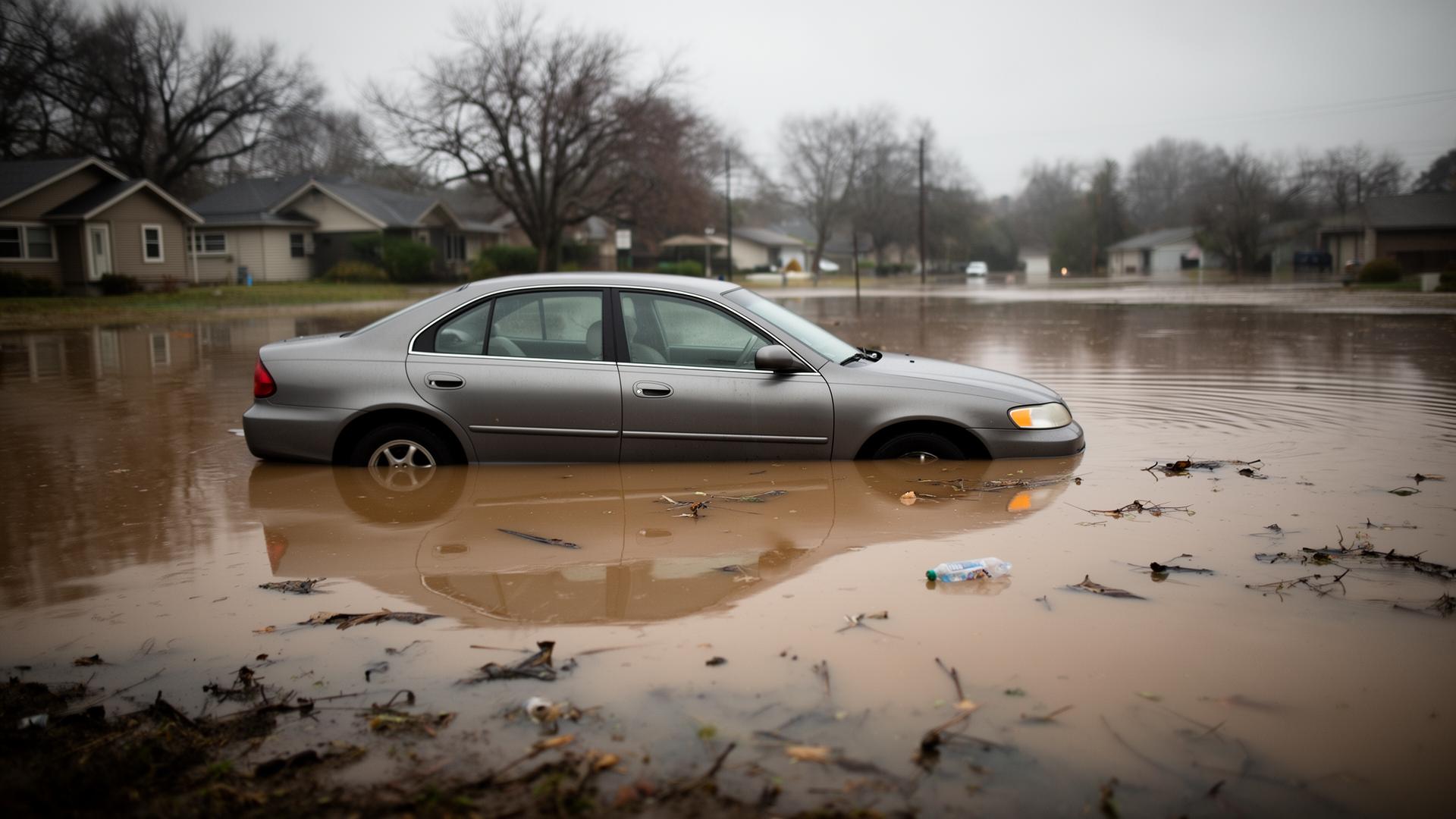
A bargain that floats to the surface after every storm
You spot a flood-damaged car the same way professionals do: with your nose, your eyes, and the VIN's history, because a clean-looking title alone is never proof. After major storms, thousands of waterlogged cars don't go to the crusher. They get pumped out, dried, detailed, and shipped to a different part of the country to be sold to buyers who weren't watching the weather. Many arrive looking spotless. Some carry a flood brand on the title; plenty don't.
The timing matters right now. The Atlantic hurricane season runs from June 1 through November 30, and flood-damaged vehicles tend to surface on the used market in the weeks and months after the water recedes, which is the same window you may be shopping in. Even in a quieter storm year, it only takes one flooded street to put a soaked car on a dealer's lot two states away. Here's how to recognize one before it becomes your problem.
Why a clean title isn't proof
A clean title isn't proof because a flood brand usually gets applied only when an insurance company declares the car a total loss and reports it. That leaves two big gaps a careful buyer has to close on their own:
- The owner carried no comprehensive coverage, so no insurer ever totaled or branded the car after it flooded.
- The car was dried out and resold, sometimes across state lines, before any brand was recorded on the paperwork.
In both cases the title can read perfectly clean while the floor pans are quietly rusting underneath. Treat the title as one data point, not the verdict. The same multi-state gaps that hide a flood brand are the ones that hide other title problems too, which is why it helps to understand how branded titles work in our guide to salvage vs. rebuilt titles and the more severe end of the scale in our junk title guide.
Start with your nose
Smell is the single hardest thing for a seller to fully cover up, so use it first. Get into the car before the seller has had a chance to air it out, and pay attention to three things:
- A musty, mildewy, "wet basement" odor, especially when the car has been closed up in the heat. That's moisture trapped in carpet and padding, and it doesn't come from anything good.
- An overpowering air freshener or cleaning-product smell. The FTC specifically flags a strong odor of cleaning products as a red flag, ask yourself what that fragrance might be there to mask.
- The vents. Run the air conditioning and the heater for a minute and notice whether a damp or moldy smell pushes through when the blower kicks on.
If the interior smells like a mix of mildew and a pine-scented tree working overtime, slow down.
Then look where water settles and hides
Detailers clean what buyers see; water hides in the places they skip. Work through the spots where silt, rust, and water lines survive a quick cleanup.
Under the carpets and floor mats
Lift them. The FTC tells buyers to look for mud, silt, or sand under the seats and dashboard, and for carpet that's loose, stained, or mismatched. Feel the padding for dampness and look for a tide-line of grit where standing water once sat.
The trunk and spare-tire well
Water pools in the lowest point of the car, so pull up the spare tire and inspect the well beneath it. A ring of rust, dried mud, or grit down there is hard to fake away and hard to explain innocently.
Hidden metal and fasteners
Look under the dashboard, along the seat rails and mounting bolts, and on exposed brackets for rust or corrosion that doesn't match the car's age and mileage. A three-year-old car with crusty seat-track bolts has a story it isn't telling.
Electrical connectors and the fuse box
Pop the fuse box and eyeball any reachable connectors. Greenish or white powdery corrosion on metal contacts is one of the clearest signs water got where it shouldn't.
Lights
Check inside the headlights and taillights for fogging, condensation, or a faint water line, the FTC lists fogged lamps as a classic flood tell. Moisture sealed inside a housing means the car was in deep.
Upholstery and trim that don't match
Brand-new carpet, seats, or door panels in an otherwise older, worn car can mean the flood-soaked originals were torn out and replaced. Mismatched wear is a quiet but telling clue.
Watch how the car behaves
Turn the key and exercise everything electrical, because flood cars are notorious for intermittent electrical faults. Run the windows, locks, mirrors, infotainment screen, turn signals, gauges, interior lights, and every warning lamp. A dashboard that flickers, a feature that works only sometimes, or a warning light that won't reset all deserve real scrutiny.
This is also where the long-term danger lives. As the FTC warns, corrosion from a flood can keep advancing toward critical electronics, including the airbag control system, long after the car looks dry, which means a car that drives fine today can develop a safety fault months from now. A quick cross-check of open safety campaigns is worth it here: our free recall check shows whether any manufacturer recalls on that VIN are still unrepaired.
Confirm with the VIN
In-person clues tell you a lot, but the VIN fills in what no inspection can see. Run the 17-character VIN through a title and history report and you'll surface the records a seller can't talk their way around:
- Flood, salvage, or junk brands recorded in any state, not just the one on the current title.
- Total-loss events reported by insurers.
- Odometer history that can reveal separate tampering.
- Open safety recalls tied to that exact vehicle.
You can decode the VIN first with our free VIN decoder to confirm the car is what the listing claims, then pull the full record, start a title check or read how branded titles affect value and insurability in the salvage check guide.
One honest limitation: a history report can only show what was actually reported. A clean report plus a clean inspection is genuinely reassuring. A clean report on a car that smells like a flooded basement is a reason to keep looking, not a green light.
Your five-minute flood-check routine
Run this sequence on any used car before you fall for it:
- Smell the interior before the seller airs it out, mildew or a heavy cover-up fragrance are both flags.
- Lift the carpets and the spare-tire cover and look for silt, water lines, and rust.
- Inspect hidden metal and connectors under the dash and seats for corrosion that doesn't match the age.
- Test every electrical feature and watch for intermittent faults or warning lights that won't clear.
- Run the VIN through a title and history report for flood, salvage, and total-loss records, and get a mechanic's pre-purchase inspection for anything you can't confirm yourself.
The bottom line
A flooded car can be made to look like the deal of the month, and that's exactly the point, the cleanup is designed to outlast a casual look. Ten minutes spent smelling, lifting, and testing in the right places, paired with a quick VIN history check, is what keeps a "bargain" from turning into years of electrical gremlins and a resale value that never recovers.
The fastest way to close the part you can't see is to run the VIN before any money changes hands. A TitlePull report is $9.99 flat, no account, no subscription, with a plain-English summary of flood, salvage, and total-loss brand records, odometer history, and open recalls, so you know what's under the carpet before you sign.
Sources
- Federal Trade Commission, "Avoid a flood-damaged used car" (consumer alert): https://consumer.ftc.gov/consumer-alerts/2021/12/avoid-flood-damaged-used-car
- Federal Trade Commission, "Don't get swamped buying a flood-damaged car": https://consumer.ftc.gov/consumer-alerts/2018/10/dont-get-swamped-buying-flood-damaged-car
- Office of the Texas Attorney General, "Warning: Flood Damaged Cars" (consumer protection): https://www.texasattorneygeneral.gov/consumer-protection/disaster-and-emergency-scams/warning-flood-damaged-cars
- National Oceanic and Atmospheric Administration, 2026 Atlantic hurricane season outlook (season runs June 1–November 30): https://www.noaa.gov/news-release/noaa-predicts-below-normal-2026-atlantic-hurricane-season
- National Highway Traffic Safety Administration, recalls and VIN lookup: https://www.nhtsa.gov/recalls
Frequently asked questions
Does every flood-damaged car have a flood title?
No, and that's exactly what makes them dangerous. A flood brand usually appears on a title only when an insurer declares the car a total loss and reports it. A car flooded while uninsured, or quietly dried out and resold before any brand is recorded, can keep a clean-looking title despite serious water damage. That's why a hands-on smell-and-sight inspection matters alongside a VIN history check.
Why is a flood car risky if it looks and runs fine?
Because water corrodes electrical connectors, control modules, and safety systems from the inside out, and the damage often surfaces later. The Federal Trade Commission warns that corrosion can keep working its way toward a car's vital electronics, including airbag controllers, for months or even years after the car looks and smells dry. The cosmetic cleanup is easy; the long-term electrical and safety risk is what you inherit.
How do I check whether a used car was flooded?
Combine three checks. Smell and inspect the interior for mud, silt, rust, water lines, and mismatched new upholstery; test every electrical feature for intermittent faults; and run the VIN through a title and history report that pulls official flood, salvage, and total-loss brand records from across states. For anything you can't verify yourself, add a mechanic's pre-purchase inspection.
Disclosures
TitlePull is not a consumer reporting agency under the Fair Credit Reporting Act. Reports are for informational purposes and may not be used for employment, tenant, credit, or insurance underwriting decisions.
Get the full vehicle history for $9.99.
Check a VIN