Total Loss Thresholds by State: When Is a Car Totaled?
By Andy, Founder, TitlePull
Last updated October 13, 2026 · Reviewed by Andy · October 2026
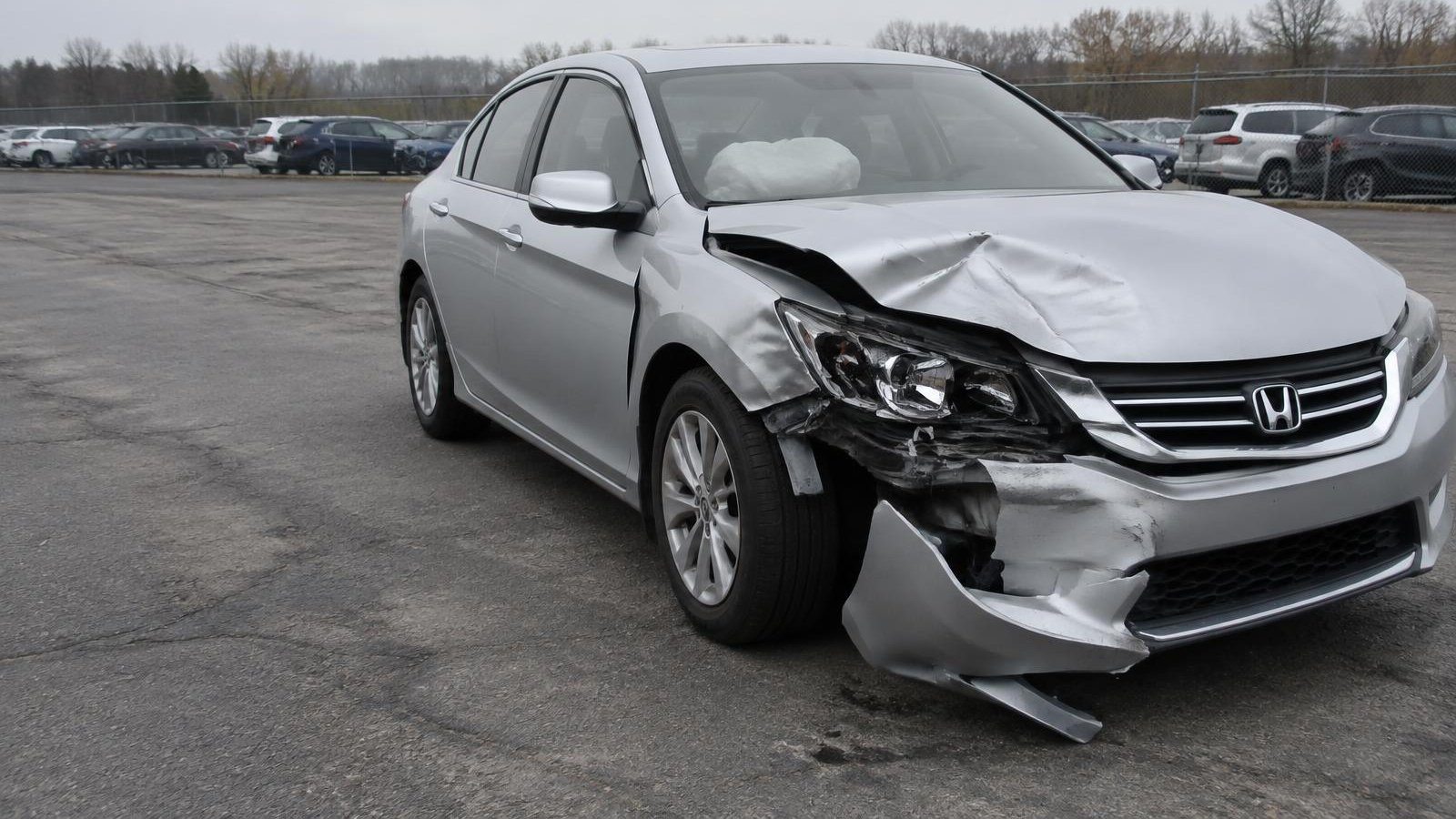
What does "total loss" mean for a car?
A total loss means the cost to repair the vehicle is high enough, compared with what the vehicle was worth before the damage, that it is treated as not worth repairing. The comparison is usually repair cost against the vehicle's pre-accident value, often called actual cash value.
The rule for where that line sits is not federal. It comes from each state, so the same car with the same damage could be a total loss in one state and a repairable car in another. That is the reason a "totaled" label means different things depending on where the claim happened.
What is the total loss threshold in each state?
It varies, and the best way to see it is by comparing a few examples from the actual rules. Two clear ones:
- North Carolina: the state's insurance regulation on total losses applies when repair costs "equal or exceed 75 percent of the pre-accident actual cash value" (11 NCAC 04.0418).
- Florida: for an uninsured vehicle, the statute treats it as a total loss when the cost of repairing or rebuilding is 80 percent or more of the cost of replacing it with one of like kind and quality. It also treats a vehicle as a total loss when an insurance company pays the owner to replace it after damage or theft (Fla. Stat. 319.30).
Notice that even these two examples do not use the same wording. One is built around pre-accident actual cash value, the other around replacement cost, and Florida adds a separate insurer-payment test. If you need the exact rule for a particular state, read that state's current statute or insurance regulation, or ask the state motor vehicle agency.
How do insurers decide a car is totaled?
They compare an estimate of repair costs with the vehicle's value and apply the state's rule. The result is a claim decision, not a judgment about whether a shop could physically fix the car.
A few things can tip the outcome:
- The vehicle's value. An older car with a lower value reaches the line faster, which is why a modest collision can total an older vehicle.
- The repair estimate. Hidden damage found after teardown can raise the estimate and change the decision.
- The state's rule. The percentage, and whether the state uses one at all, shapes where the line falls.
- What happens afterward. Once a car is a total loss, the insurer typically pays the owner and takes possession, and the state's title rules decide what brand follows.
If you are curious how this plays out for a specific claim, the insurer can explain how it reached its decision for that vehicle.
What happens to the title after a total loss?
In many states, the vehicle is issued a salvage title or a similar brand, and that brand becomes part of its record. It is the signal a future buyer is supposed to see.
The brand matters because it changes how the car can be insured, financed and resold. If the car is later repaired and passes the state's inspection, it may be retitled as rebuilt. Our guide to salvage vs. rebuilt titles explains what each stage means, and how much a salvage title lowers value covers the price side.
Why does the threshold matter when you buy a used car?
Because a car near the line has the kind of history sellers are tempted to describe loosely. A car that was one estimate away from being totaled may have been repaired heavily, and a car that was totaled in one state can be moved and retitled in another.
That is why the title and salvage records are a better source than the seller's summary. Our article can a totaled car have a clean title explains how a total loss can end up looking clean on paper, and does a car accident lower resale value covers accident history that never reached the total-loss line.
How do you check whether a car was ever a total loss?
Run its VIN before you commit. A TitlePull report is $9.99 flat, takes no account and gives a plain-English summary of title brands, salvage and total-loss records, odometer history and open recalls for that VIN.
A simple order of operations:
- Decode the VIN with our free VIN decoder to confirm it matches the year, make and model.
- Check the title and salvage records. Our title check guide and salvage check guide explain what the results mean.
- Look up open recalls with the free recall check.
- Compare the story to the records. If a seller says "never been in a wreck" and the records show a total loss, you have learned something important for free.
- Get an independent inspection if the records are clean but the price looks too good.
For a broader process, How to Buy a Used Car With Confidence walks through each step.
What should you do if a car turns out to be a former total loss?
Decide based on price, purpose and risk, not on the seller's reassurance. A former total loss can be a fair deal if it is priced as one, was repaired properly and is documented. It is a poor deal if you were told it was clean.
Ask for repair records and photos of the work, get an inspection that looks specifically at structure and safety systems, and check whether your insurer will cover it and at what value. If the seller hid the history, you can walk away at no cost before you pay.
The bottom line
A total loss is a state-by-state line between repairing and giving up on a car, and the percentage differs from place to place. North Carolina's rule uses 75 percent and Florida's uses 80 percent for an uninsured vehicle, which shows how different the same idea can look on paper.
For a buyer, the percentage is less important than the record. Check the VIN, read the title brands, and compare them to what the seller says before you pay.
Sources
- Cornell Law School Legal Information Institute, 11 N.C. Admin. Code 04.0418, Total Losses on Motor Vehicles (75 percent of pre-accident actual cash value)
- Florida Legislature, Florida Statutes 319.30, Definitions; dismantling, destruction, change of identity of motor vehicle or mobile home (total loss definition, 80 percent for an uninsured vehicle, insurer-payment test)
- NHTSA, Recalls
*This article is general information, not legal or insurance advice.
Frequently asked questions
What percentage makes a car a total loss?
It depends on the state, and sometimes on whether the car was insured. North Carolina's insurance regulation calls a vehicle a total loss when repair costs equal or exceed 75 percent of the pre-accident actual cash value. Florida's statute uses 80 percent of the cost of replacing the vehicle with one of like kind and quality for an uninsured vehicle, and also treats a vehicle as a total loss when an insurer pays the owner to replace it. Other states set different numbers or use different tests, so the percentage you hear from a friend may not apply where the car was insured. If you are buying a car, the better question is whether its records show a total loss, not which percentage applied.
Does a total loss always get a salvage title?
Not always in the same way, because each state decides when a total loss becomes a salvage or similar title brand, and some states also have separate nonrepairable or junk categories. In many states, a vehicle declared a total loss by an insurer must be branded before it can be sold or retitled. What matters to you as a buyer is that the brand, once issued, is part of the vehicle's record. Our guide to salvage vs. rebuilt titles explains what each brand means, and our salvage check guide shows what to look for in a report.
Can a total loss car be repaired and sold?
Yes, in many cases, but usually with a brand on the title. A vehicle that was a total loss can be repaired, inspected under the state's rules and retitled with a rebuilt or similar brand. Problems arise when the history is hidden or never disclosed. A VIN check helps you find out whether a total loss was recorded, so you can price the car accordingly or walk away. Our article on whether a totaled car can have a clean title explains how that sometimes happens.
Disclosures
TitlePull is not a consumer reporting agency under the Fair Credit Reporting Act. Reports are for informational purposes and may not be used for employment, tenant, credit, or insurance underwriting decisions.
Get the full vehicle history for $9.99.
Check a VIN