What Is a Reconstructed Title?
By Andy, Founder, TitlePull
Last updated August 27, 2026 · Reviewed by Andy · August 2026
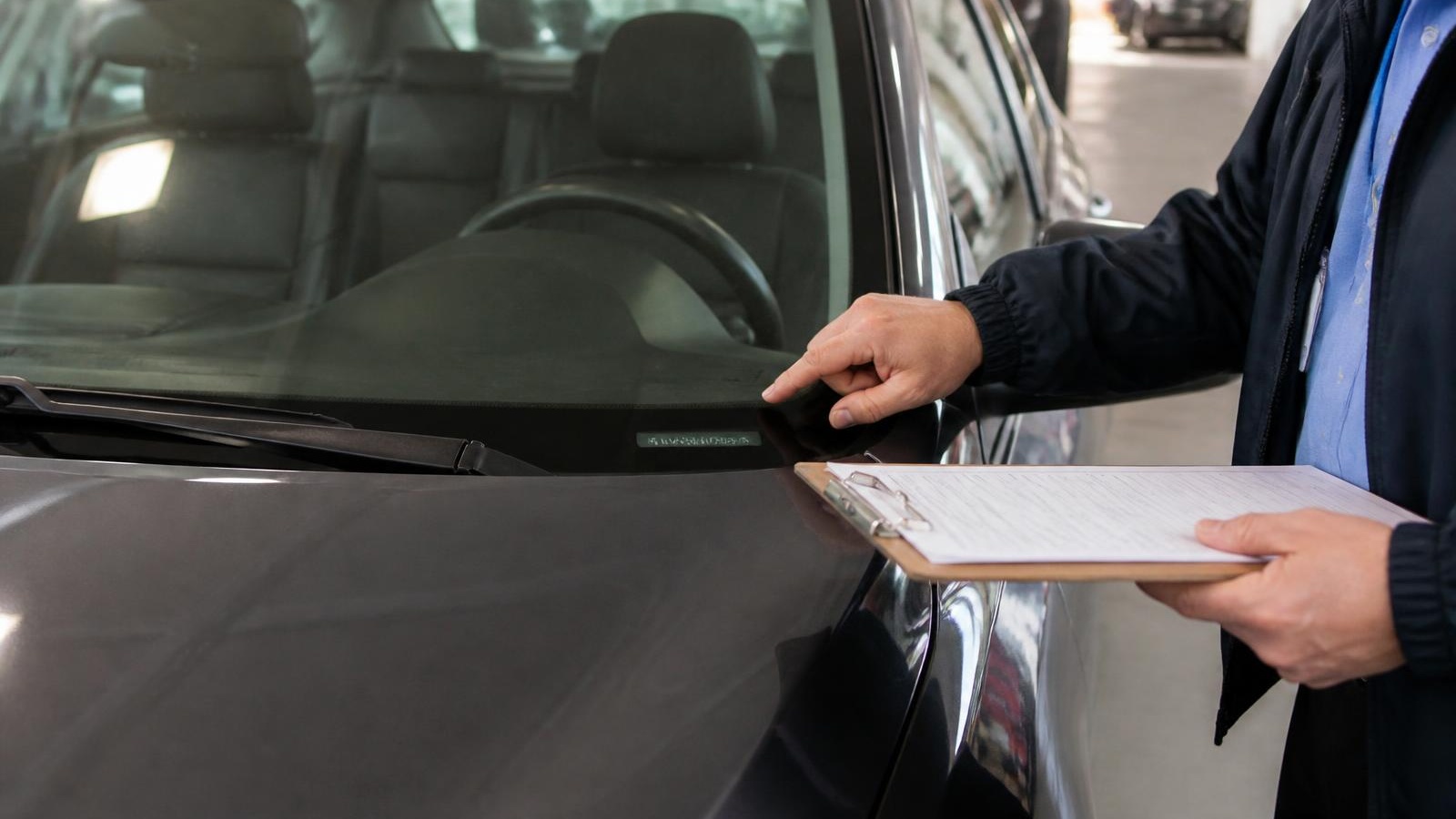
What is a reconstructed title?
A reconstructed title is a permanent brand a state places on a vehicle's title to record that the car is not in its original factory condition. What it actually describes, though, depends on which state issued it. That is what makes this brand different from salvage, and it is the reason two cars with the identical word printed on their titles can have almost nothing in common.
In one state, reconstructed means a car that was totaled, repaired, inspected, and put back on the road. In another, it means a car that was cut up and rebuilt from the parts of several vehicles, or modified so heavily it no longer resembles what the factory built.
Same word. Very different cars. Very different risks.
The two meanings, side by side
There are two distinct definitions in use, and the first thing to establish is which one applies to the car in front of you.
Meaning one: a repaired total loss. Pennsylvania is the clearest example. PennDOT defines a reconstructed vehicle as a vehicle, other than an antique or classic, for which a certificate of salvage was issued and which is thereafter restored to operating condition to meet state vehicle equipment and inspection standards. The owner has to document the major components replaced or repaired and attach receipts for the parts used. The title is then branded reconstructed. Functionally, this is what most of the country calls a rebuilt title.
Meaning two: a modified or parts built vehicle. Wisconsin's transportation department defines reconstructed as a motor vehicle substantially altered or modified from the original manufacturer's specifications to the extent that it no longer resembles the original manufactured vehicle. Wisconsin brands repaired total losses separately, as rebuilt salvage, after they pass an inspection by a certified state salvage inspector.
Nevada takes a similar path. Its motor vehicle department lists three separate things a seller must disclose in writing before a sale: salvage, meaning the car currently holds an orange salvage title and is not road legal; rebuilt, meaning it was once salvage and has been repaired and inspected; and reconstructed, meaning it was built from parts of multiple vehicles.
Minnesota's statute uses similar language, defining a reconstructed vehicle as one materially altered from its original construction by the removal, addition, or substitution of essential parts, new or used.
So when someone tells you a car has a reconstructed title, the useful follow up question is not "what does that mean" but "which state issued it."
Why the distinction matters to a buyer
The two definitions carry different failure modes, so knowing which one you are dealing with changes what you inspect.
If the brand means a repaired total loss, your questions are about the damage: what caused it, how severe was it, what got replaced, and how good was the repair work. A car that was totaled by hail is a different proposition from one totaled by a flood or a structural collision. Our guide to checking a car for salvage history covers what to look for, and salvage and rebuilt titles explained goes deeper on what triggers each brand.
If the brand means a modified or parts built vehicle, your questions are about construction and identity: which parts came from where, who did the work, whether the VIN on the car matches the VIN on the title, and whether the state assigned a new VIN. Wisconsin, for example, issues reconstructed vehicles a state assigned VIN and titles them with the model year in which the vehicle passed inspection rather than the original build year.
That last detail catches people out. A car listed as a 2019 might carry a reconstructed title showing a completely different year, because the year on the title reflects when the state inspected and titled it, not when the original vehicle rolled off a line.
Either way, both definitions share one consequence: a brand of any kind narrows your resale market, your insurance options, and your financing options. Our post on how much a salvage or rebuilt title lowers value covers the pricing side.
What a reconstructed vehicle has to pass before it can be driven
States require inspection before a reconstructed or rebuilt vehicle can be registered, and the inspection is about safety and parts provenance rather than cosmetics.
Nevada's process is a useful illustration of how thorough this can get. For a salvage vehicle being restored:
- If the vehicle is five model years old or newer, it must go to a state inspection station before any repairs begin, so the damage can be documented and the rebuild authorized.
- The owner must keep all receipts and identifying information for the parts used.
- A registered garage, licensed body shop, or licensed rebuilder must certify that the vehicle is mechanically safe and that safety devices work.
- The vehicle then goes to a state inspection station for a final VIN and workmanship check.
Wisconsin similarly requires that a reconstructed vehicle be inspected before it receives license plates for the first time, and that a salvage vehicle pass an inspection by a certified state salvage inspector, with the inspection specifically confirming that the vehicle and its individual parts are not stolen.
That last point is worth sitting with. Inspections exist partly because parts built vehicles are an obvious place for stolen components to end up. If you are buying one, confirming the car is not carrying a theft record is not paranoia, it is the same thing the inspector was checking for. Our post on how to check if a car is stolen covers how to do that yourself.
The brand is permanent and it travels
A title brand does not expire, and it is not supposed to disappear when a car crosses a state line.
Wisconsin's motor vehicle agency describes a brand as a permanent record that prints on each title issued for that vehicle, and states that in addition to Wisconsin brand information, a buyer will find any available brand information for a vehicle previously titled in another jurisdiction. It also warns that failure to disclose a title brand may result in a fine of up to $5,000.
Nevada makes the enforcement explicit. Removing, hiding, or washing a salvage or rebuilt brand from a title is illegal there, as is altering documents to make a salvage vehicle look clean, or taking a salvage vehicle out of Nevada to sell it elsewhere without first obtaining a Nevada salvage title. Where the vehicle is worth $250 or more, the state treats a violation as a felony, and a buyer can sue for the greater of $5,000 or triple the actual damages plus attorney fees.
Those penalties exist because moving a branded car between states to shed its history is a real and recurring practice. Our post on whether a totaled car can have a clean title explains how the gaps open up, and car title types explained lays out every brand in plain English.
How to check a reconstructed title before you buy
Read the document, then verify the document. Both steps, in that order.
Read the title itself
- Find the brand field. Look for the brand printed on the face of the title and in any additional vehicle detail section. Do not rely on what the listing says.
- Note the issuing state. Then look up that state's definition, because as this post has covered, the word alone is not enough.
- Check the model year on the title against the car. A mismatch may be legitimate in a state that titles reconstructed vehicles by inspection year, but you want to know that is why.
- Match the VIN. The VIN on the title should match the VIN on the dash and the door jamb. Run it through our free VIN decoder and confirm the year, make, and build details describe the car you are standing next to. If the state assigned a replacement VIN, ask for the paperwork that documents it.
Verify the history against the VIN
A title is one state's snapshot of a car at one moment. The car's record is bigger than that.
A $9.99 TitlePull report pulls the vehicle's title brand history across states, total loss and salvage records, odometer records, and theft records, and returns them as a plain-English summary. One flat price, no account to create, no subscription. Our guides on checking a title and title brands explained cover how to read what comes back.
Ask the seller for the rebuild file
Anyone who did the work properly has paperwork: the inspection certificate, the parts receipts the state required, and photographs of the vehicle before and during repair. A seller who has all of it is telling you something. A seller who has none of it is telling you something too.
Check for open recalls
A reconstructed vehicle can still be sitting on an unfixed safety recall, and repairing an outstanding recall is free from a franchise dealer within the eligibility window. Run the VIN through our free recall check, and see how to check a used car for open recalls for the details.
Should you buy one?
There is no single answer, but there is a clear way to decide.
A reconstructed vehicle can be a genuinely good purchase when three things are true: you know which definition the brand refers to, you have documentation of what was done and by whom, and the discount you are getting is large enough to compensate for the narrower insurance, financing, and resale options you are accepting. Plenty of people buy these deliberately and are happy with them.
It is a bad purchase when the seller is vague about the history, the paperwork is missing, the price is only slightly below clean title money, or the brand is being described in a way that does not match the issuing state's actual definition.
The worst outcome is not buying a reconstructed car. It is buying one without knowing it, at clean title money, from someone who was counting on you not to check.
Pull the record first. It costs less than a tank of gas.
Sources
- Flood damaged vehicles and other title brands, Wisconsin Department of Transportation, Division of Motor Vehicles. Definitions of reconstructed, rebuilt salvage, and salvage vehicle; permanence of brands and carryover of out of state brand information; disclosure fine of up to $5,000 under s.342.15(5m)(b).
- Salvage Vehicles, Nevada Department of Motor Vehicles. Written disclosure categories for salvage, rebuilt, and reconstructed vehicles under NRS 487.830; restoration and inspection steps; penalties for title tampering.
- Reconstructed Vehicle Titling Procedure, Fact Sheet, Pennsylvania Department of Transportation, Bureau of Motor Vehicles. Definition of a reconstructed vehicle and documentation requirements.
- Minnesota Statutes 168A.01, Definitions, Minnesota Office of the Revisor of Statutes. Definitions of reconstructed vehicle and essential parts.
- Buying a Used Car From a Dealer, Federal Trade Commission. General guidance on used-car purchases and title disclosure.
Frequently asked questions
Is a reconstructed title the same as a rebuilt title?
Sometimes, and that is exactly the problem. It depends entirely on which state issued the title. Pennsylvania defines a reconstructed vehicle as one for which a certificate of salvage was issued and which was afterward restored to operating condition to meet state equipment and inspection standards, which is the same thing most states call a rebuilt title. Wisconsin goes the other way. It uses rebuilt salvage for a repaired total loss and reserves reconstructed for a vehicle that has been substantially altered or modified from the original manufacturer's specifications to the point that it no longer resembles the original vehicle. Nevada is different again, defining a reconstructed vehicle as one built from parts of multiple vehicles and listing it as its own disclosure category alongside salvage and rebuilt. So the word alone does not tell you what happened to the car. You have to know which state issued the title and what that state means by the term.
Can you insure and finance a car with a reconstructed title?
Often yes, but expect a narrower set of options and more paperwork than you would face with a clean title. Insurers and lenders both treat branded titles as higher risk, and their willingness varies by company, by brand type, and by state. Liability coverage is usually available. Comprehensive and collision coverage is where insurers get selective, because valuing a branded vehicle after a second loss is difficult. On the lending side, many banks and credit unions will not write a loan against a branded title at all, and those that do may require a larger down payment or a shorter term. The practical move is to get an insurance quote and a lending answer in writing before you commit to the purchase, not after. Our post on what a salvage or rebuilt title does to value walks through the same trade offs.
Does a reconstructed brand ever come off the title?
No. Title brands are designed to be permanent, and they are supposed to travel with the vehicle from state to state rather than reset at a border. Wisconsin's motor vehicle agency describes a brand as a permanent record that prints on every title issued for that vehicle, and notes that a Wisconsin title will also show available brand information from any jurisdiction where the vehicle was previously titled. Nevada goes further and makes it a crime to remove, hide, or wash a salvage or rebuilt brand from a title, or to move a salvage vehicle out of state to sell it elsewhere without first obtaining a Nevada salvage title. That said, the fact that brands are supposed to carry over is not the same as a guarantee that every record lines up perfectly on every document you are handed. Checking the car's brand history against the VIN, rather than trusting the paper in front of you, is how you confirm it.
Disclosures
TitlePull is not a consumer reporting agency under the Fair Credit Reporting Act. Reports are for informational purposes and may not be used for employment, tenant, credit, or insurance underwriting decisions.
Get the full vehicle history for $9.99.
Check a VIN